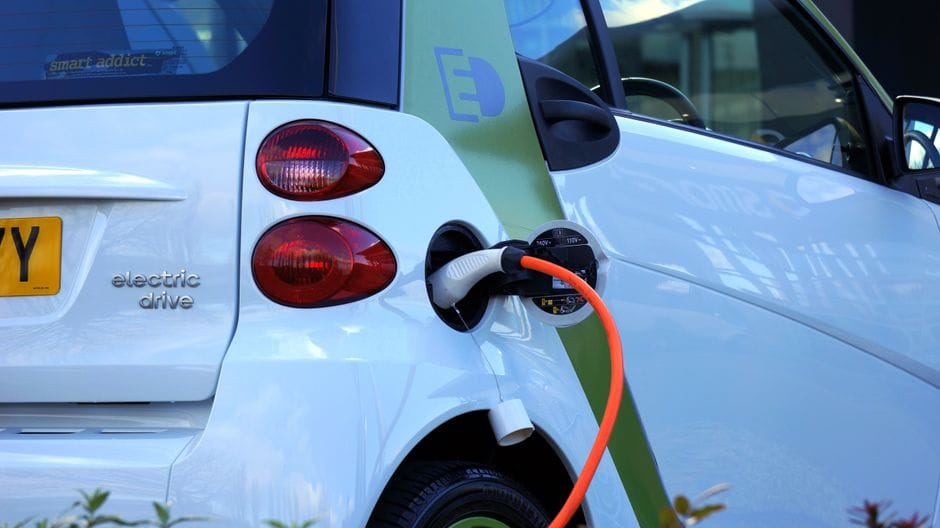
Electric cars often carry a higher sticker price than comparable gas models, which scares off plenty of first-time buyers. But the purchase price is only one line in the budget, and over years of ownership the math frequently tilts the other way. The key is to compare total cost, not just the window sticker.
Fuel Is Where You Save
Charging at home, especially on off-peak rates, costs far less per mile than gasoline. The exact savings depend on your local electricity price and how much you drive, but high-mileage drivers see the biggest benefit. Public fast charging costs more than home charging, so the savings shrink if you rely on it, which is why a home charging setup matters so much to the equation.
Maintenance Drops Sharply
- No oil changes, spark plugs, timing belts or exhaust systems.
- Brakes last far longer thanks to regenerative braking.
- Fewer moving parts means fewer things to fail over time.
You'll still buy tires, wiper blades and cabin filters, and tires can wear a bit faster given the instant torque and weight, but the routine bills are much smaller.
Incentives and Depreciation
Tax credits, rebates and local perks can knock a meaningful amount off the effective price, so check what applies where you live. Depreciation is the wild card; some EVs hold value well while others fall fast as technology improves, so research the specific model's resale trend rather than assuming.
Run Your Own Numbers
Add up your annual miles, your charging mix, available incentives and expected years of ownership, then compare against the gas car you'd otherwise buy. For many drivers with home charging and steady mileage, the EV wins over time even with a higher starting price. For others, the gap is closer. The honest answer comes from your numbers, not a slogan.