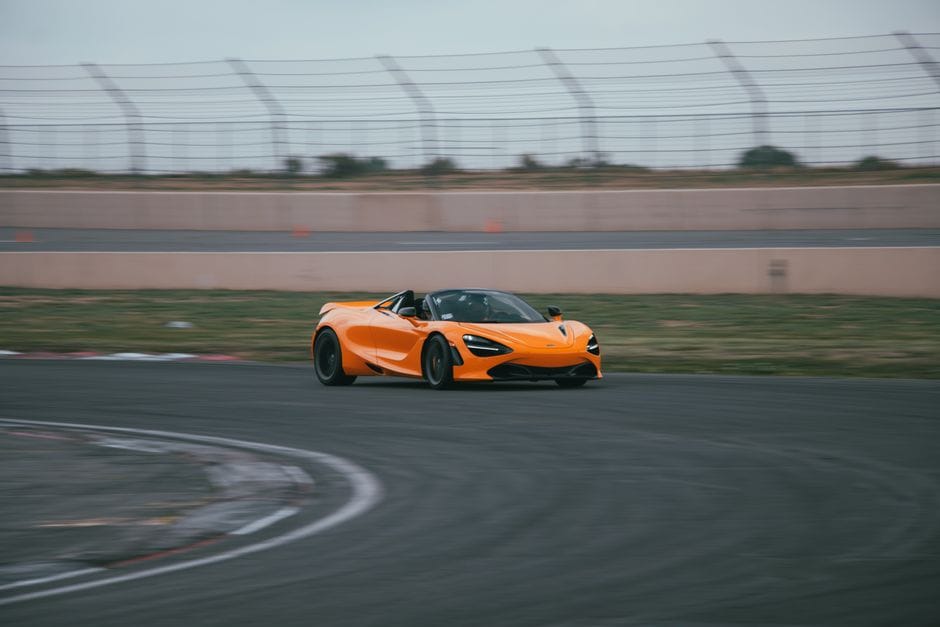
The 0-to-60 mph time is the performance figure everyone quotes, the headline that separates a brisk car from a slow one. It's a useful shorthand, but it measures one narrow thing, and leaning on it alone can steer you toward the wrong car.
What It Measures
The number is simply how many seconds a car takes to accelerate from a standstill to 60 mph. It captures straight-line launch performance, a blend of power, weight, traction and gearing. A figure under about six seconds feels quick, under four is genuinely fast, and modern performance EVs have pushed into territory that once belonged only to supercars thanks to instant electric torque.
What It Leaves Out
- Real-world passing: the 50-to-70 mph response on the highway matters more day to day than a standing start.
- Handling: cornering, braking and steering feel define a fun car as much as straight-line speed.
- Drivability: how smooth and responsive the car feels at normal speeds.
Why the Numbers Vary
Testing conditions change results. Traction off the line, temperature, road surface, fuel and how the test is run all shift the figure, so independent tests often differ from the manufacturer's claim. Treat any single number as approximate and compare like-for-like sources.
Use It in Context
For most drivers, a car that reaches 60 in seven or eight seconds is plenty quick for safe merging and passing. Chasing a smaller number rarely improves daily driving and often costs you in price, fuel and ride comfort. Look at the whole picture: midrange punch, handling, braking and how the car feels at the speeds you actually drive. The 0-to-60 time is a fun bragging point, not a buying decision on its own.