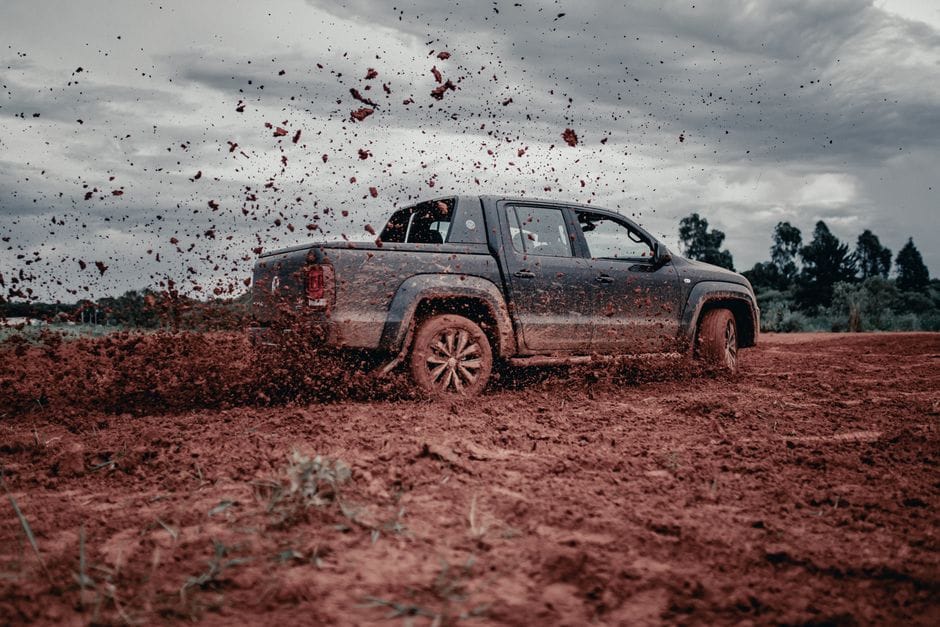
Marketing uses all-wheel drive and four-wheel drive almost interchangeably, but they're built for different jobs. Knowing which one a vehicle has, and what it actually does, keeps you from overpaying or overestimating your traction.
All-Wheel Drive: Always On, Mostly Automatic
AWD systems send power to all four wheels without driver input, constantly shifting torque front to rear, and sometimes side to side, as grip changes. They're tuned for on-road conditions: wet pavement, light snow, a slippery on-ramp. Most are designed to run full time, so you never flip a switch. The trade-off is added weight and a small fuel-economy penalty compared with two-wheel drive.
Four-Wheel Drive: Built for Rough Stuff
Traditional 4WD, common on trucks and serious off-roaders, is something you engage. It locks the front and rear axles together for maximum traction in mud, sand, deep snow or off-road climbs, often with a low range for crawling over obstacles or towing heavy loads slowly. Because the axles are locked, you shouldn't run 4WD high on dry pavement; it binds the drivetrain in tight turns.
Which One Do You Need?
- Snowy commutes and rain: AWD handles it with no thought required.
- Trails, towing, deep snow: 4WD with low range earns its keep.
- Mostly dry roads: good tires on two-wheel drive often outperform expectations.
The Part Everyone Forgets
Neither system helps you stop or steer; both only help you accelerate. On ice, a 4WD truck stops no shorter than a sedan. Tires do the stopping, so a set of proper winter tires often matters more than the drivetrain badge. Buy the system that matches how you actually drive, then put good rubber under it.