Brake pads are wear items, and ignoring them turns a routine job into an expensive one. Catch the warning signs early and you replace pads for a modest cost. Wait too long and you're buying rotors and calipers too.
The High-Pitched Squeal
Most pads have a small metal tab called a wear indicator. When the friction material gets thin, that tab drags on the rotor and produces a steady squeal when you're moving, often louder when you're not braking. That sound is the engineered warning that you have a few hundred miles left, not a few thousand.
A Grinding Metal Noise
If the squeal turns into a deep grind, the friction material is gone and the metal backing plate is cutting into the rotor. At this point you're scoring the rotor surface every time you stop, and the repair bill roughly doubles.
A Longer, Softer Pedal
If the pedal sinks farther than it used to or feels spongy, worn pads may be part of the story along with low brake fluid. Stopping distances stretch quietly, so you may not notice until an emergency stop.
Pulling and Vibration
- Pulling to one side under braking often means uneven pad wear or a sticking caliper.
- Vibration through the pedal usually points to warped rotors, frequently caused by running pads down to metal.
Check the Thickness Yourself
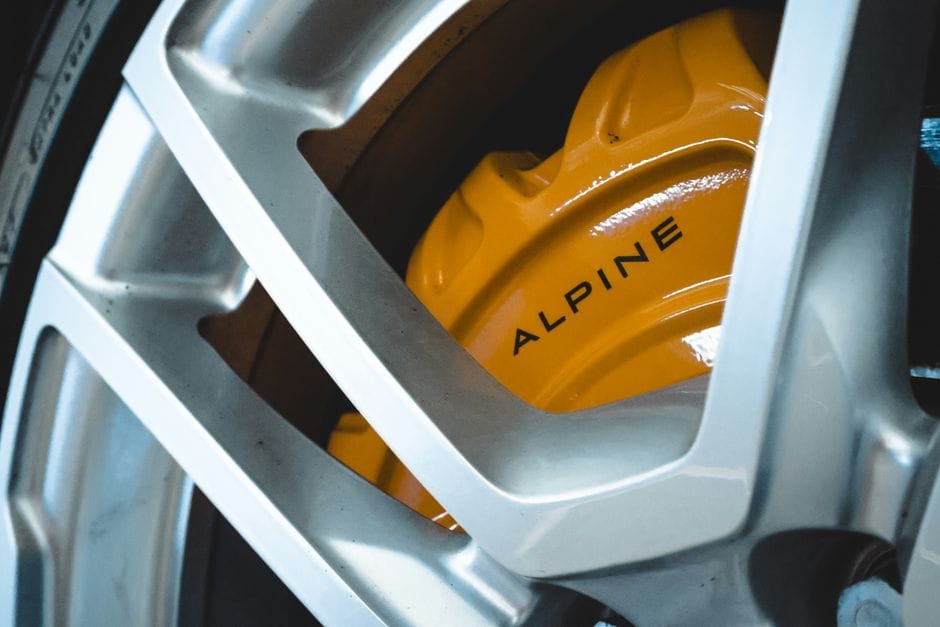
You can often see the pad through the wheel spokes. New pads are around 12 millimeters thick. Once the friction material drops to about 3 millimeters, plan the replacement. Front pads usually wear faster than rears because they do most of the stopping. Replacing pads in axle pairs and inspecting the rotors at the same time keeps your braking even and predictable.