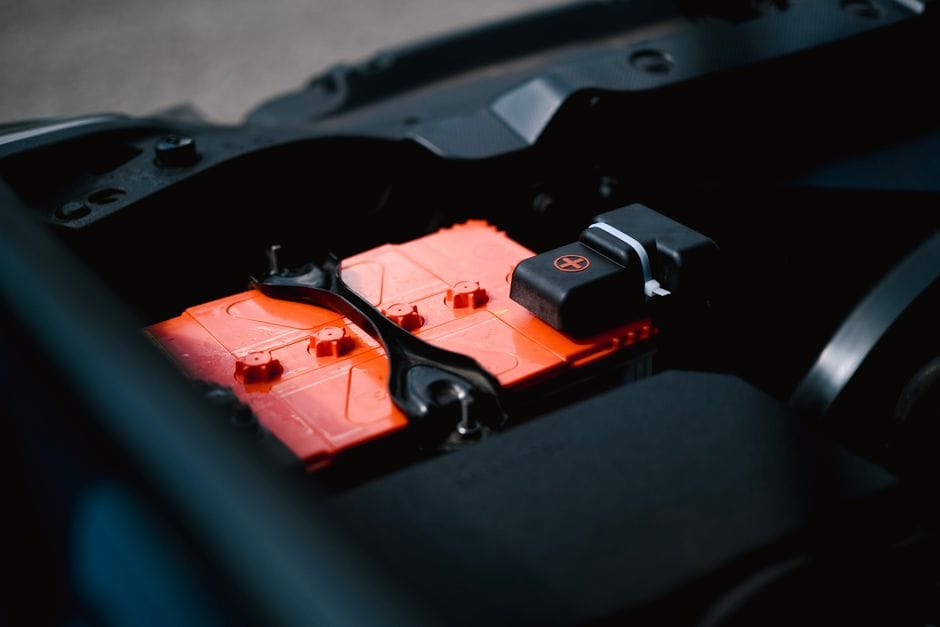
Cold mornings are when weak batteries finally give up. The chemistry that produces cranking power slows in the cold, and a battery that managed all summer can fail the first hard freeze. A little attention in the fall prevents the no-start surprise.
Why Cold Hits So Hard
At around 32 degrees Fahrenheit a battery loses roughly 20 percent of its capacity, and near zero it can lose closer to half. At the same time, cold oil makes the engine harder to turn over, so the engine demands more just as the battery has less to give. A battery that's three or four years old is living on borrowed time going into winter.
Test Before It's Urgent
Most auto-parts stores test batteries for free in a few minutes, reading cranking amps against the rating. If yours is weak, replacing it on your schedule beats a tow on the coldest day of the year. A healthy battery typically reads about 12.6 volts at rest with the engine off.
Simple Protective Steps
- Clean the terminals: white or blue corrosion adds resistance; a wire brush and a baking-soda paste fix it.
- Check the tie-down: vibration kills batteries, so make sure it's secure.
- Drive long enough: short trips never fully recharge; an occasional longer drive or a smart trickle charger helps.
On a Brutal Morning
Turn off the heater, headlights and heated seats before you crank, give the starter a full attempt rather than quick stabs, and wait 30 seconds between tries to let the battery recover. If you garage the car or use a battery maintainer overnight, the difference on a freezing start is dramatic. Treat the battery as a seasonal wear item and you'll rarely be stranded by one.