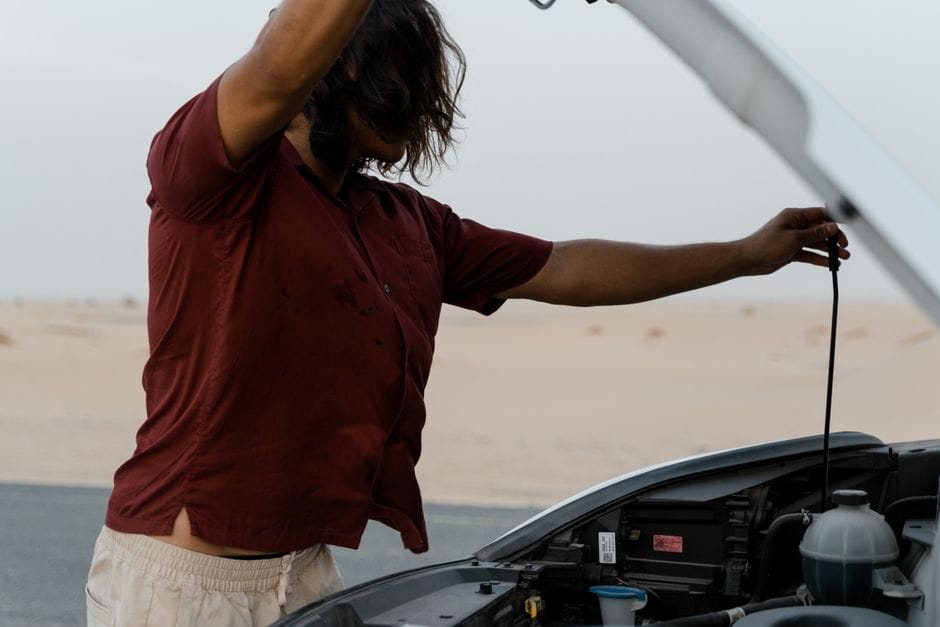
Most drivers never think about an emergency kit until they're stranded on a shoulder in the dark or the cold. A small, well-chosen kit in the trunk turns a frightening situation into a manageable one, and assembling it costs little and takes an afternoon.
The Breakdown Basics
- Jumper cables or a portable jump pack: the dead battery is the most common roadside failure.
- Reflective triangles or flares: make you visible to traffic while you're stopped.
- A flashlight with spare batteries: or a headlamp, so your hands stay free.
- Tire gauge, and a sealant or plug kit: for handling a slow leak.
Stay Safe and Treated
Pack a basic first-aid kit for cuts and scrapes, along with any personal medications you might need. A multi-tool or a basic set of tools, gloves, and a few rags handle minor fixes and keep you clean. A phone charger or power bank is essential, since a dead phone turns a small problem into a real one.
Weather and Comfort
Adjust the kit to your climate. In cold regions, carry a blanket, hat and gloves, an ice scraper, and a small bag of sand or kitty litter for traction on ice; getting stuck in winter can be dangerous. In hot areas, keep extra water. Some non-perishable snacks and bottled water help on any long wait, and a rain poncho keeps you dry while you work.
Keep It Ready
A kit only helps if it's stocked and current, so check it a couple of times a year: test the flashlight, confirm the jump pack holds a charge, and refresh water and any expired items. Store it where you can reach it, not buried under everything else. A little preparation means that when something does go wrong, you're inconvenienced rather than helpless.