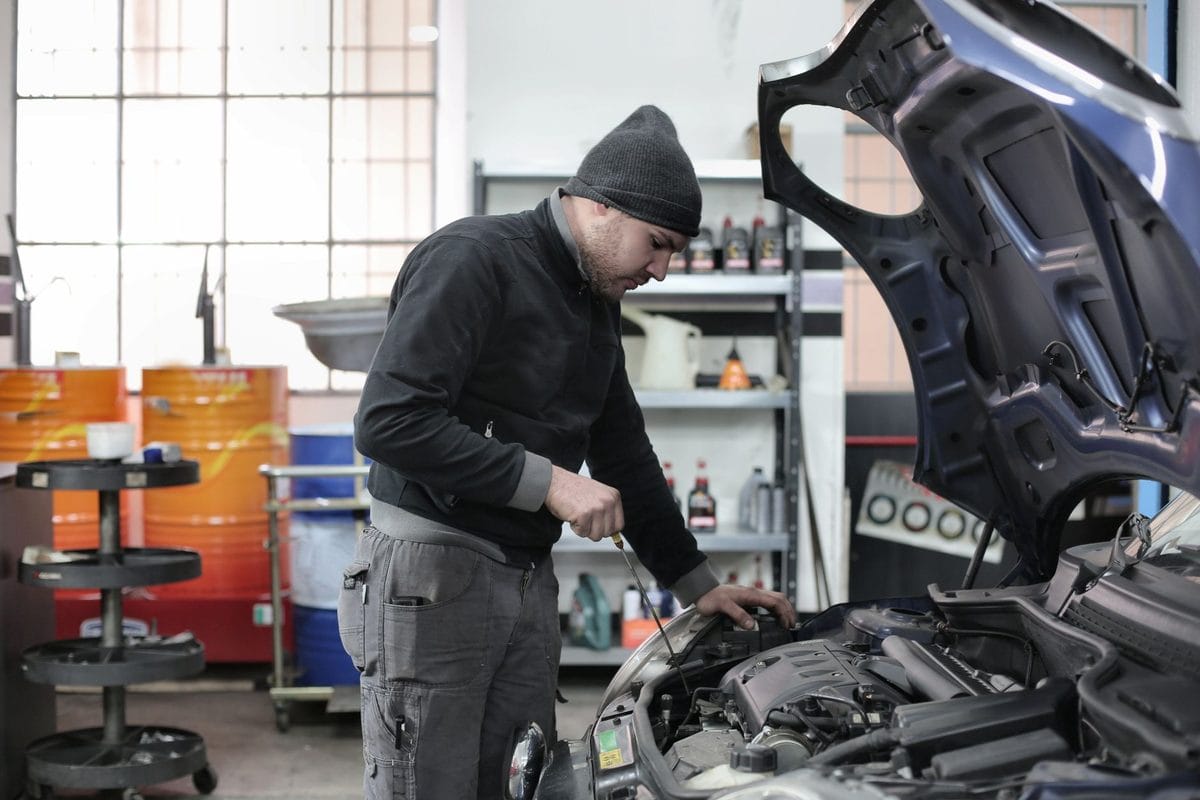
A guy in Ohio bought a used Santa Fe in July, passed the state inspection, and didn't think about it again until a letter addressed to the car's previous owner showed up in his mailbox three months later. It wasn't junk mail. It was a recall notice for an engine fire risk, sent to a name that no longer lived at his address, for a car that was now sitting in his driveway every night. He found out by accident. Most people never find out at all.
That gap — between what a recall covers and who actually knows about it — is bigger than most drivers assume, and it gets wider every time a car changes hands. Manufacturers mail recall notices to whoever is registered as the owner in their records at the moment a recall is issued. Sell the car privately six months later, and the new owner isn't in that system. Buy a used car from a previous owner who moved, and the notice goes to an address that doesn't exist anymore. The recall is still open. The defect is still there. Nobody told the person actually driving it.
The Recall Notice That Never Reaches Used-Car Buyers
Nobody is required to warn you.
Dealerships selling new cars are required to check for open recalls before delivery, and most run that check automatically as part of the paperwork. Private-party sales skip that step entirely — there's no dealership in the transaction to run it, and nothing in a standard bill of sale requires either party to disclose an open recall. A used car with an unresolved safety defect can legally change hands at a driveway sale, a Facebook Marketplace pickup, or a family hand-me-down without either side knowing anything is wrong.
Even franchised used-car lots can miss it. A trade-in comes onto the lot, gets a quick reconditioning pass — oil change, brake check, detail — and goes back out on the lot for resale, all without anyone pulling a recall history against the VIN. It's not required by federal law for used vehicles the way it is for new ones, so whether it happens depends entirely on that specific dealer's internal process. Some are thorough about it. Plenty aren't.
How to Check Your VIN in Under a Minute
Run the VIN, not the make and model — that's the part people get wrong. Searching "2019 Hyundai Santa Fe recalls" pulls up recalls for the entire model line, including ones that were already fixed on your specific car by a previous owner. NHTSA's VIN lookup tool at nhtsa.gov/recalls checks your exact vehicle against its own repair history and tells you only what's still open for that VIN. It takes about thirty seconds and costs nothing.
The 17-character VIN is printed on a sticker inside the driver's door jamb, stamped on a small plate visible through the base of the windshield on the driver's side, and listed on your registration and insurance card. Type it into the NHTSA tool exactly as printed — no spaces, and the letters I, O, and Q never appear in a VIN, so if you think you're reading one of those, look again; it's almost always a 1, 0, or a misread character.
Do this before you buy a used car, not after you've already signed. Ask the seller to text you a photo of the VIN plate before you drive out to see the car, run it from your phone in the driveway, and treat an open safety recall as a negotiating point — either the seller gets it fixed before the sale closes, or the price comes down enough to cover the hassle of scheduling it yourself.
What "Free" Actually Means — and Where It Stops
Under federal law, a manufacturer has to fix a safety-related recall defect at no charge to the owner, and that obligation follows the vehicle, not the original buyer. It doesn't matter if you're the fourth owner, bought it at auction, or inherited it from a relative — if the recall is open and the car qualifies, the dealer cannot charge you for the parts or the labor to fix it. That guarantee does have a real limit, though: federal law caps it at ten years from the vehicle's original sale date. After that window closes, a manufacturer is technically allowed to bill you for the repair, even though the recall itself never expires and the defect never goes away on its own.
In practice, most manufacturers still cover older vehicles for free when the recall is high-profile enough that charging owners would be a public-relations disaster — the Takata airbag inflator recall, which eventually covered more than 67 million inflators across dozens of brands and became the largest automotive recall in U.S. history, is the clearest example. Some inflators in that recall were installed in cars well past their tenth year, and manufacturers kept replacing them anyway. But that's a choice each manufacturer makes, not a guarantee written into the law, and a smaller, less newsworthy recall on an older vehicle is exactly the kind of case where you could get told the free-repair window has closed.
Worth knowing the difference between a recall and a technical service bulletin, too, because dealers sometimes blur the two in conversation. A recall addresses a safety defect and comes with a legal obligation to fix it free within that window. A TSB is a manufacturer's internal notice to dealers about a known issue — a rattle, an infotainment glitch, a part that wears faster than expected — and there's no requirement to fix it for free once your factory warranty has expired. If a service advisor tells you "it's just a bulletin, not a recall," that's your cue to ask what it would cost out of pocket before you agree to anything.
When the Fix Isn't Ready Yet
An open recall and an available repair aren't the same thing, and this is where a lot of owners get frustrated. When a defect affects millions of vehicles across multiple model years, the replacement parts don't always exist in enough quantity to fix every car right away. During the peak years of the Takata recall, some owners waited more than a year for a replacement inflator simply because the supply chain couldn't keep pace with the number of cars that needed one. The recall existed. The remedy didn't — not yet, anyway.
If that happens to you, don't just accept a vague "we'll call you when parts arrive" and move on. Ask the dealer directly whether an interim remedy exists — some recalls include a temporary fix, like a software update or a part deactivation, that reduces the risk while you wait for the permanent one. Ask whether a loaner vehicle is available if the defect is serious enough that the manufacturer recommends limited driving in the meantime, and get the answer in writing, not just a verbal promise at the service desk. Manufacturers are required to remedy the defect within a reasonable time — they are not required to make that process convenient for you, and the two are not the same thing.
Before You Buy, Not After
Check the VIN before you fall in love with the car, not after you've already pictured yourself driving it home. A clean CARFAX doesn't mean a clean recall history — those are two completely different databases, and a vehicle history report can look spotless while carrying an open safety recall that the seller genuinely doesn't know about, or knows about and isn't mentioning.
Do it for the car you already own, too. Set a reminder to run your VIN through NHTSA's tool twice a year — once in spring, once in fall — because recalls get issued on vehicles that are already years old all the time, long after the original sale, long after you stopped thinking about the paperwork that came with it. Thirty seconds, twice a year, against a defect that could otherwise sit unresolved in your driveway indefinitely. That's not a lot to ask for something that's supposed to be free.