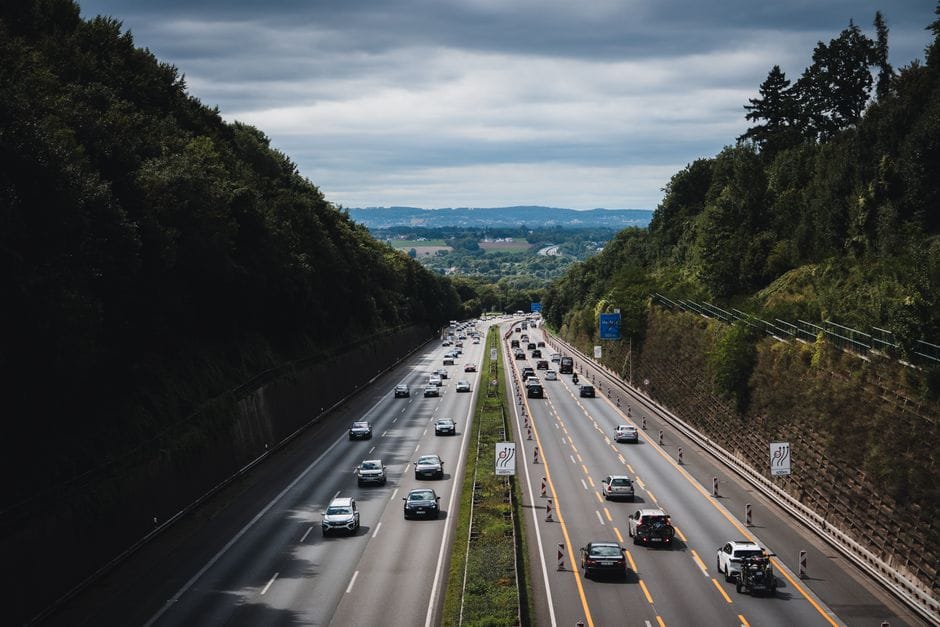
Most crashes aren't freak events; they're the predictable result of small lapses stacking up. Defensive driving is just a set of habits that buy you time and space, and the good news is they become automatic with practice.
Look Far, Not Just Ahead
New drivers stare at the bumper in front of them. Experienced ones scan 10 to 15 seconds up the road, watching for brake lights, merging traffic and changing signals. Seeing trouble early means you slow gently instead of stamping the brakes. Keep your eyes moving between the road far ahead, your mirrors and the sides.
Keep a Cushion
- Following distance: leave at least three seconds to the car ahead, more in rain or at night.
- Escape route: position yourself so you always have somewhere to go if traffic stops suddenly.
- Blind spots: don't linger beside trucks or in another driver's mirror dead zone.
Manage Speed for Conditions
The posted limit assumes good conditions. Wet roads, fog, sun glare and heavy traffic all call for backing off. Speed shrinks your reaction time and stretches your stopping distance dramatically; a small reduction gives you a big margin. Smooth, steady speed also makes you predictable to everyone around you.
Cut the Distractions
A phone, a complicated screen, or even an intense conversation pulls your attention from the scan that keeps you safe. Set navigation and music before you roll, put the phone out of reach, and treat driving as the task it is. Assume other drivers will make mistakes, leave yourself room to absorb them, and most near-misses never become collisions. Defensive driving isn't timid; it's simply staying one move ahead.