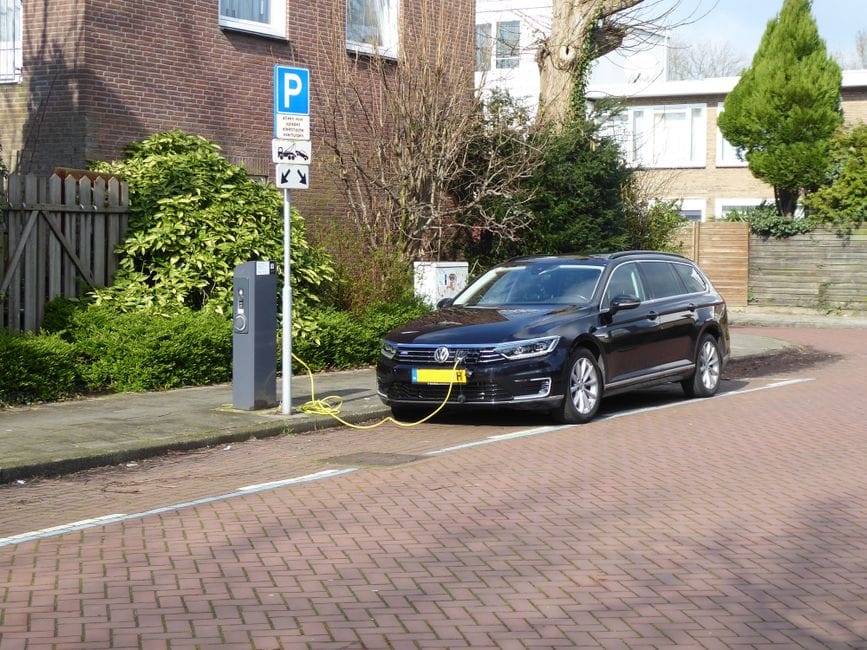
An electric car's battery is its most valuable component, and how you treat it over the years decides how much range you keep. The good news is that the habits that preserve it are simple, and modern batteries are far more robust than early fears suggested.
Mind Your Charging Limits
Lithium batteries are happiest in the middle of their range. For daily use, charging to about 80 percent and avoiding draining to near zero reduces stress on the cells. Save 100 percent charges for days you actually need the full range, like a road trip, and try not to leave the car sitting at a full charge for long. Most EVs let you set a daily charge limit in the settings, so you can automate this.
Go Easy on Fast Charging
- DC fast charging is convenient on trips but generates heat that, used constantly, ages the battery faster.
- Rely on slower home or workplace charging for everyday needs.
- Reserve fast charging for travel rather than as your daily routine.
Manage Temperature
Extreme heat is the battery's worst enemy over time. When you can, park in shade or a garage in hot weather, and avoid leaving the car at a high charge baking in the sun. In cold weather, range drops temporarily but the battery isn't harmed; preconditioning the car while it's still plugged in warms the battery and cabin using grid power instead of your range.
Don't Overthink It
These habits help, but don't let them rule your life; the battery is designed to be used, and warranties guarantee it stays healthy for years. Follow the gentle middle-of-the-range approach when convenient, lean on home charging, and protect the car from extreme heat. Do that, and most EVs retain the great majority of their range well past 100,000 miles, leaving you with a car that's as usable in year eight as it was new.