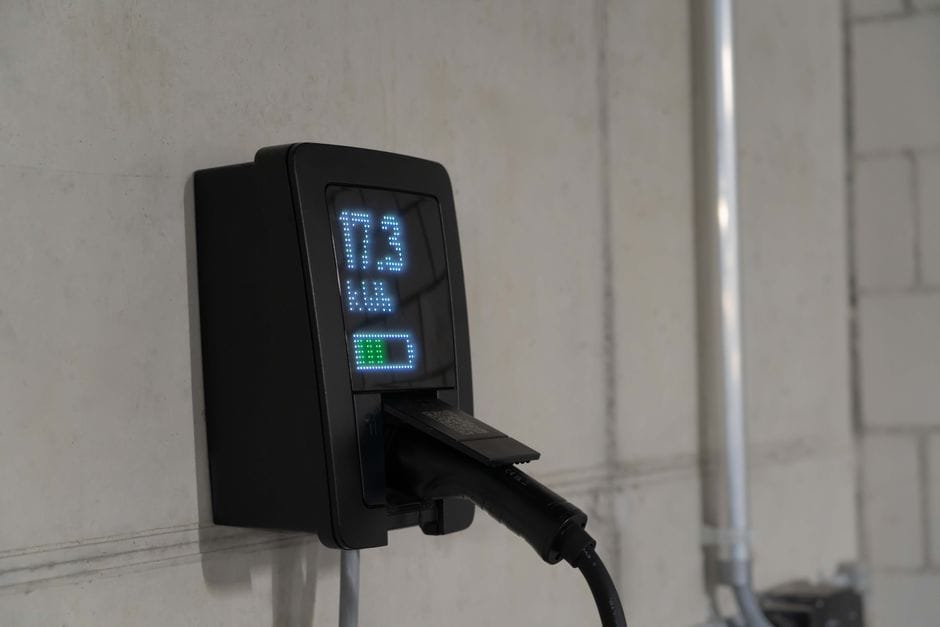
Most electric-car owners do the majority of their charging at home, overnight, while the car sits unused anyway. The only real decision is whether the standard wall outlet is enough or whether you should install a faster circuit.
Level 1: The Outlet You Already Have
Level 1 uses an ordinary 120-volt household outlet and the cable that comes with the car. It adds roughly 3 to 5 miles of range per hour, so an overnight charge restores 40 to 50 miles. For a short commute, that's genuinely all you need, and it costs nothing to set up. The catch is recovery time after a long drive; a nearly empty battery can take days to refill on Level 1.
Level 2: A Dedicated 240-Volt Circuit
Level 2 runs on 240 volts, the same supply as an electric dryer, and adds about 20 to 40 miles of range per hour depending on the car and charger. A typical car goes from low to full overnight with room to spare. You'll need an electrician to install a 240-volt circuit and either a hardwired unit or a NEMA 14-50 outlet, usually a few hundred to around a thousand dollars plus the charger.
How to Decide
- Short commute, garage parking: Level 1 may cover you indefinitely.
- Long daily miles or two EVs: Level 2 is worth the install.
- Frequent road trips: rely on public DC fast charging for those, not your home setup.
A Few Practical Notes
Charge to about 80 percent for daily use to ease wear on the battery, and schedule charging for off-peak hours if your utility offers cheaper overnight rates. Many cars and chargers let you set this in an app. Start with the cable in the box, track how often you actually run low, and upgrade to Level 2 only if the slow recovery becomes a real annoyance.