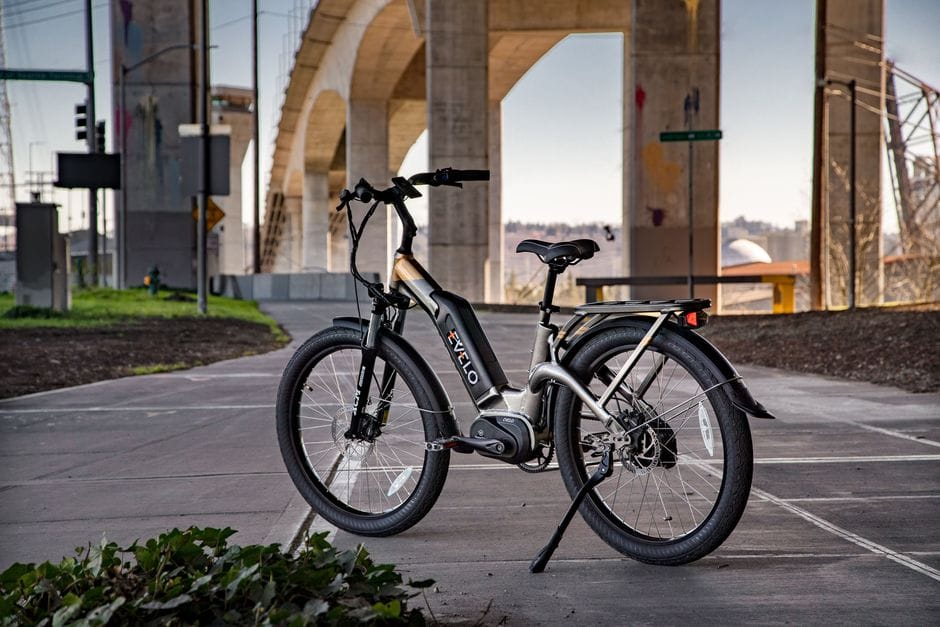
An e-bike can replace a surprising number of short car trips, but the market is crowded and the spec sheets are confusing. Focus on a few things that actually shape the experience and you'll avoid an expensive mistake.
Understand the Classes
In the United States, e-bikes fall into three classes. Class 1 assists only when you pedal, up to 20 mph. Class 2 adds a throttle you can use without pedaling, also to 20 mph. Class 3 is pedal-assist up to 28 mph and is popular for commuting. Local rules on where each class can ride, especially on trails, vary, so check before you buy.
Motor Placement Matters
- Hub motors: in the wheel, quieter and cheaper, fine for flat commutes.
- Mid-drive motors: at the cranks, better on hills and more balanced, but pricier.
If you have any hills on your route, the mid-drive's extra cost usually pays off in a more natural, less strained ride.
Read the Battery Honestly
Range claims are optimistic, measured at low assist on flat ground. Look at the watt-hour rating, the volts times amp-hours; a 500 Wh battery realistically delivers 20 to 40 miles depending on assist level, terrain and rider weight. If you'll commute both ways without charging, buy more capacity than the brochure number suggests.
Fit and Brakes Decide Everything
A bike that fits and stops well gets ridden. Hydraulic disc brakes are worth seeking out because an e-bike is heavier and faster than a regular bicycle. Test ride before buying if you can, check that a shop can service it, and make sure the frame size suits your height. Buy the bike that's comfortable and safe for your real route, and the motor will take care of the fun part.