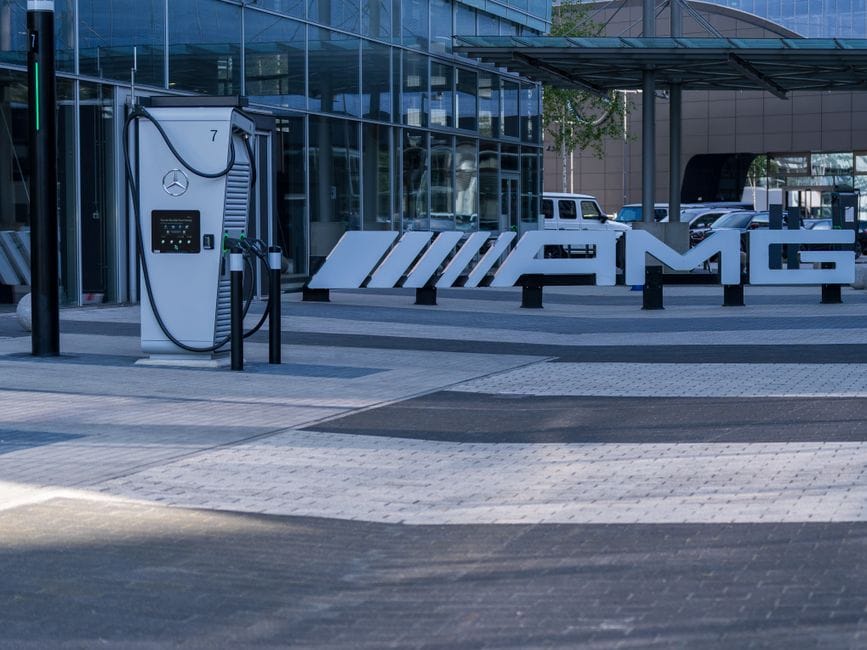
Home charging covers most daily driving, but road trips and apartment living make public charging part of EV life. The networks, connectors and pricing can confuse newcomers, and there's an unwritten etiquette that keeps shared chargers working for everyone.
Know Your Charging Levels
Public stations come in two broad types. Level 2 chargers, common at shops, workplaces and hotels, add range slowly over hours and suit places you'll park a while. DC fast chargers add a large chunk of range in 20 to 40 minutes and are what you use on a road trip. Knowing which you need keeps you from waiting hours at the wrong kind.
Networks and Connectors
- Charging is run by several competing networks, each often with its own app and account.
- Connector standards vary by region and car, so confirm your plug type before relying on a station.
- A trip-planning app that shows working chargers, real-time availability and your car's connector saves a lot of stress.
The Etiquette That Matters
Fast chargers are a shared resource, so move your car promptly once it's done; many charge to about 80 percent quickly and then slow dramatically, so camping at 95 percent blocks others for little gain. Don't unplug someone else's car unless it's clearly finished and your network allows it. Park only in charging spots when you're actually charging, and never block a stall with a gas car, the practice EV drivers call being iced.
Plan Ahead on Trips
Charge to full before leaving home, identify chargers along your route in advance, and have a backup station in mind in case one is busy or broken. Arrive with enough buffer that a down charger isn't a crisis. With a little planning and good manners, public charging is simply a slightly longer rest stop, not an obstacle.