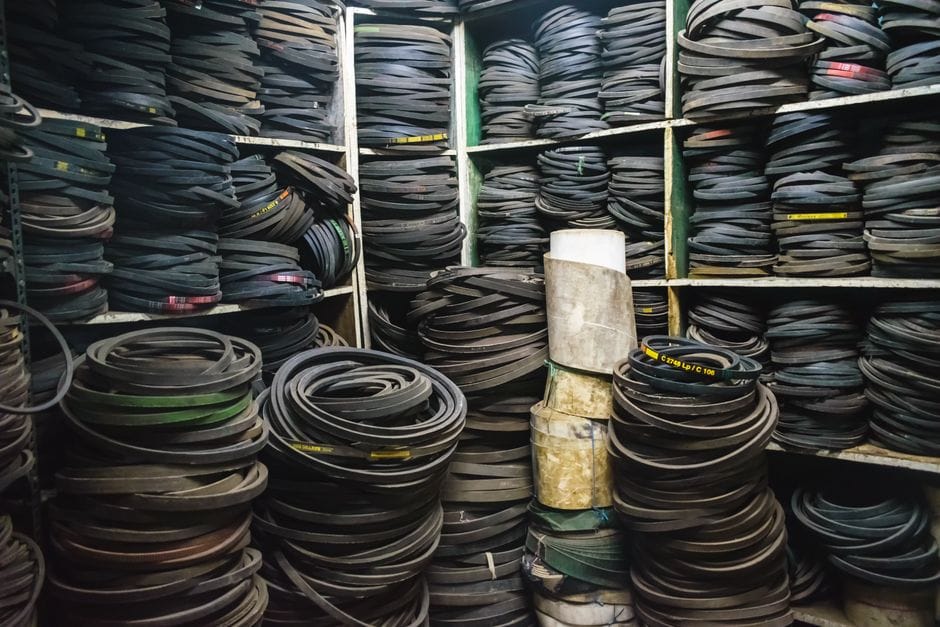
A single rubber belt, snaking around several pulleys at the front of your engine, drives some of the car's most important accessories. The serpentine belt is cheap and easy to overlook, but when it fails, several systems quit at once and you're stuck.
What It Runs
Depending on the car, the serpentine belt typically drives the alternator that charges your battery, the power-steering pump, the air-conditioning compressor and often the water pump that cools the engine. If the belt snaps while you're driving, you can lose charging and power steering immediately, and an engine that relies on the belt for its water pump can overheat in minutes.
Inspect It Regularly
- Cracks: small cracks across the ribs are normal with age, but many close-together cracks mean it's worn out.
- Glazing or fraying: a shiny, hardened surface or frayed edges signal trouble.
- Noise: a squeal on startup or when you turn the wheel often points to a loose or worn belt.
When to Replace It
Many belts last 60,000 to 100,000 miles, but heat and age matter as much as distance. Replace it on schedule rather than waiting for failure, because a belt is inexpensive and a roadside breakdown is not. While it's off, it's smart to check the tensioner and idler pulleys, which can wear out and cause noise or premature belt failure.
DIY or Shop
On many cars the job is straightforward: a spring-loaded tensioner releases belt tension so you can slip the old one off and route the new one around the pulleys. Take a photo of the routing first, or note the diagram often printed under the hood, so you thread it correctly. If the layout is cramped or the tensioner is awkward, a shop handles it quickly and cheaply. Either way, a fresh belt is quiet insurance against being stranded.