Whether it's a convertible, a classic or a second car you don't need in the snow, parking a vehicle for months is harder on it than driving it. A little preparation prevents the flat-spotted tires, dead battery and gummy fuel that greet careless owners in spring.
Fuel and Fluids First
Fill the gas tank to limit moisture and condensation inside it, and add a fuel stabilizer, then drive a few miles so it circulates through the system. Change the oil before storage if it's due, because used oil holds acids and contaminants that can etch internal parts over a long sit. Make sure the coolant is rated for the lowest temperature the car will see.
Protect the Battery and Tires
- Battery: connect a battery maintainer, or disconnect the battery so it doesn't slowly drain and freeze.
- Tires: inflate to the upper end of the recommended range to resist flat spots from sitting.
- Movement: if you can, move the car a few feet every few weeks to shift the contact patch.
Keep the Critters and Damp Out
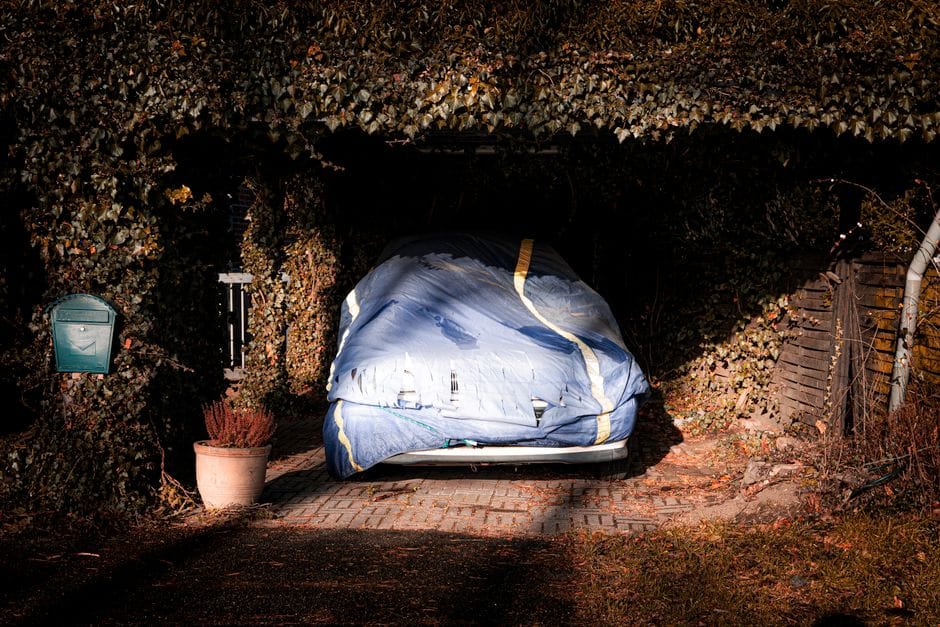
Mice love a parked car. Stuff steel wool or mesh in the exhaust tip and air intake, remove food and trash, and consider repellents around the car. A breathable cover keeps dust off without trapping moisture; a plastic tarp does the opposite and invites rust. Storing indoors on a dry floor is best, and a sheet of cardboard or plastic under the car helps in a damp garage.
Coming Back in Spring
Before the first drive, reconnect and check the battery, confirm tire pressures, remove the exhaust plug, and look underneath for any nests or leaks. Check the brakes for surface rust on the rotors, which usually wears off in the first few stops. A car put away with care wakes up ready to drive instead of needing a tow.