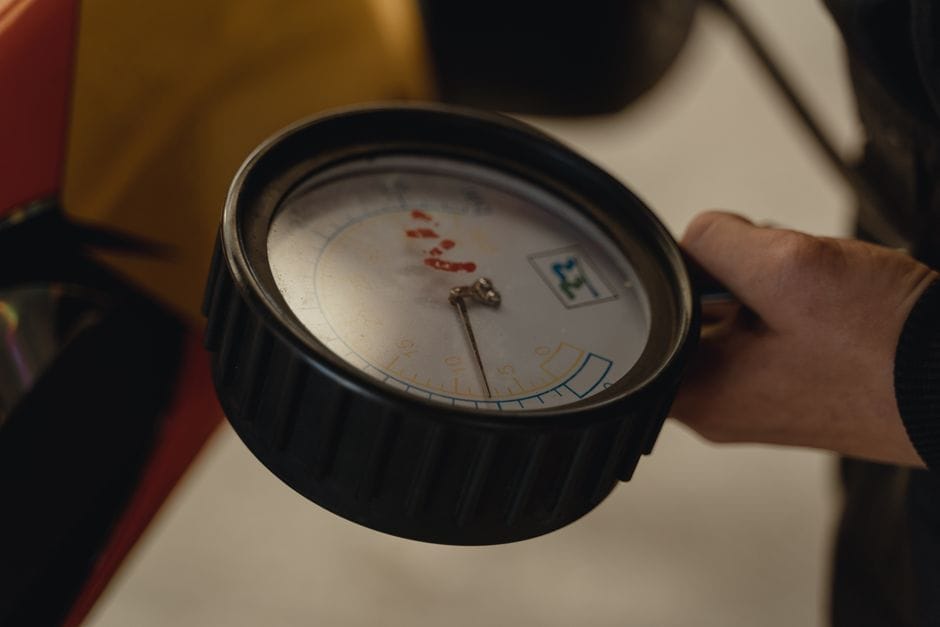
Tire pressure is the cheapest, fastest maintenance there is, and it quietly affects your safety, fuel economy and how long your tires last. Yet a huge share of cars on the road run on tires that are noticeably under or over inflated.
Find the Right Number
The correct pressure is not the figure on the tire's sidewall, which is the maximum the tire can hold. The number you want is on a sticker in the driver's door jamb, listing the manufacturer's recommended pressure for the front and rear, sometimes different for each. That figure balances handling, comfort, wear and economy for your specific car.
What Wrong Pressure Costs You
- Underinflated: more rolling resistance hurts mileage, the tire runs hot and can fail, and the edges wear fast.
- Overinflated: a harsh ride, less grip from a smaller contact patch, and quicker wear down the center.
- Either way: stopping distances and cornering grip suffer.
Check Them the Right Way
Measure pressure when the tires are cold, before you've driven more than a mile or two, because driving heats the air and raises the reading. Use a decent gauge rather than trusting your eyes; a tire can be 10 pounds low and still look fine. Don't forget the spare. Check monthly and before long trips, since tires naturally lose a pound or two a month and more as temperatures drop.
Mind the Warning Light
The tire-pressure monitor warns you when a tire is significantly low, but it usually triggers only after the pressure has dropped well below ideal, so don't rely on it alone. A monthly two-minute check with a gauge keeps your car safer, your fuel bills lower and your tires lasting thousands of miles longer, all for free at any gas station.