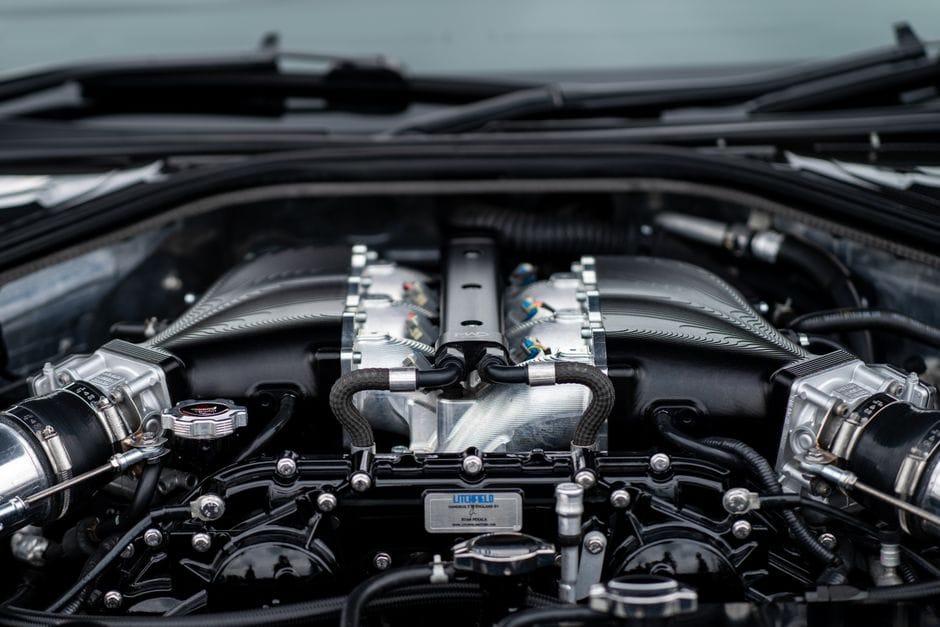
Turbocharged engines are everywhere now, even on economy cars, because a small turbo engine can make the power of a larger one while sipping less fuel most of the time. They're reliable, but the turbo itself spins astonishingly fast and runs blistering hot, so a couple of habits help it live a long life.
How a Turbo Works
A turbocharger uses exhaust gases to spin a turbine, which drives a compressor that crams more air into the engine. That spinning shaft can exceed 100,000 rpm and reach very high temperatures, and it relies on a constant flow of engine oil for both lubrication and cooling. Anything that interrupts that oil flow or shocks the metal with sudden temperature change shortens its life.
Warm It Up Gently
You don't need to idle for minutes, but you should avoid hard acceleration until the oil is warm and flowing freely, usually the first few miles. Cold, thick oil doesn't protect the turbo's bearings well, and full boost on a cold engine is the worst-case load. Drive normally for the first stretch and save the right foot for when the temperature gauge has come up.
Let It Cool Down
- After spirited driving or towing, drive the last minute or two gently rather than parking straight off the highway.
- This lets oil keep circulating and carries heat away from the turbo before you shut off.
- Killing a hot engine immediately can bake the oil in the turbo, leaving deposits that clog the bearings over time.
The Other Essentials
Use the exact oil grade and specification the manufacturer lists, change it on time or a little early, and don't stretch intervals; turbos are hard on oil. Quality fuel and a healthy cooling system round it out. Treat the turbo with these small courtesies and it will run trouble-free for the life of the car.