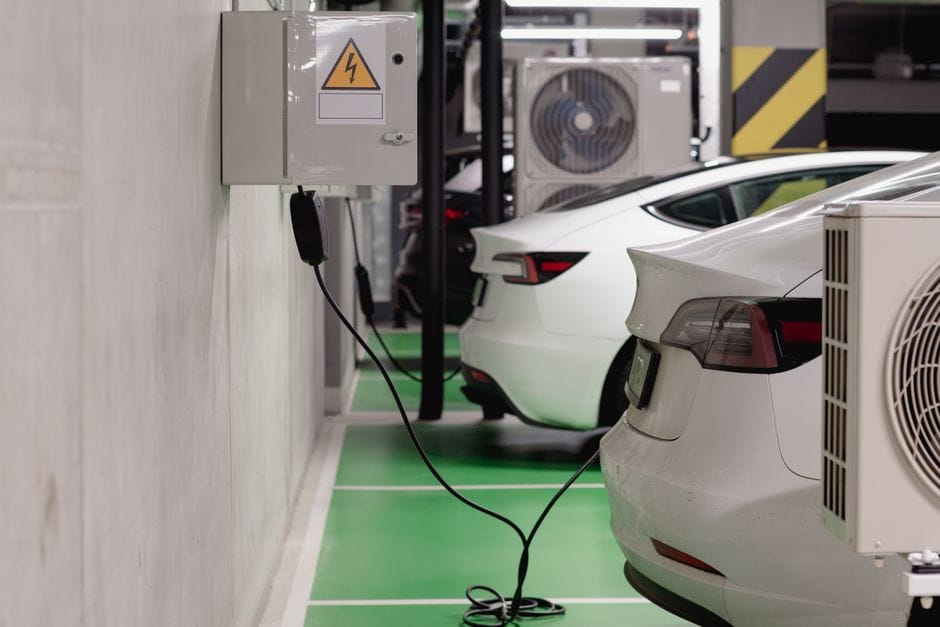
With a used electric car, the engine question becomes a battery question. The pack is the single most expensive component, and a tired one quietly steals range. Fortunately, you can judge its condition with a few checks rather than guesswork.
Understand State of Health
Batteries lose a little capacity over time, a process called degradation. The metric to ask about is state of health, expressed as a percentage of original capacity. Most EVs lose only a few percent in the first few years and then settle into a slow decline, so a five-year-old car holding 90 percent is doing well. Some cars show this figure in a service menu; others need a third-party diagnostic tool a specialist can run.
Test the Real Range
- Charge to 100 percent and note the estimated range the car shows.
- Compare it with the original rated range for that model and year.
- A modest shortfall is normal; a large gap signals heavier degradation.
Ask how the car was charged, too. Frequent DC fast charging and constantly sitting at 100 percent in heat are harder on a battery than gentle home charging.
Check the Warranty
Most manufacturers warranty the battery for eight years or 100,000 miles, often guaranteeing it stays above about 70 percent capacity. Confirm how much of that coverage remains and whether it transfers to you, because it can be worth thousands. Get the vehicle identification number and verify the in-service date, since the clock starts then.
Don't Skip the Ordinary Stuff
An EV still has tires, brakes, suspension and 12-volt accessory batteries that wear normally. Pull a history report, check for accident damage near the battery pack, and have a shop that knows EVs inspect it. A healthy battery with documented care makes a used EV a genuine bargain; a degraded one with no warranty left is a trap. Verify, don't assume.