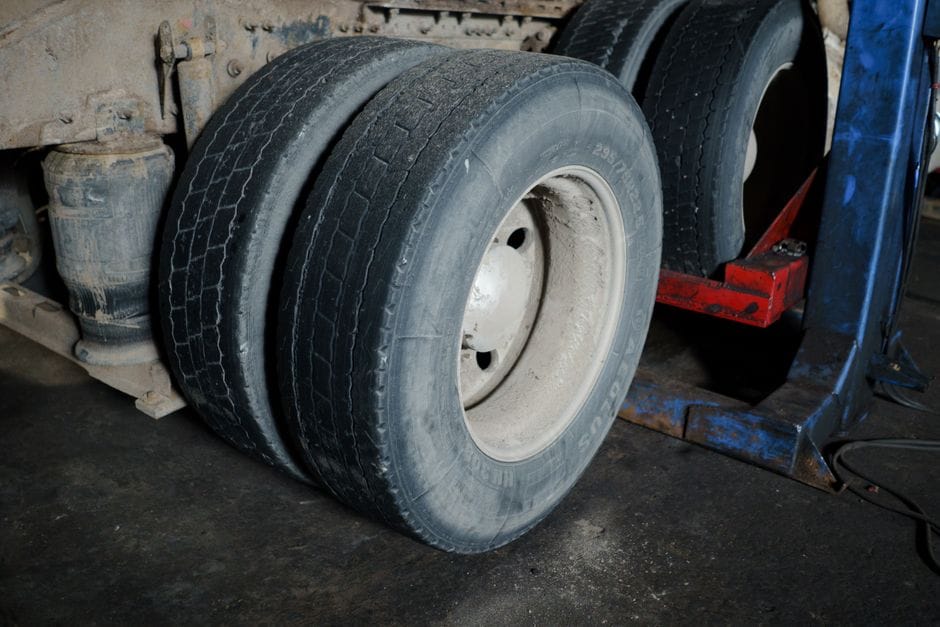
Wheel alignment sets the precise angles at which your tires meet the road. When those angles drift out of spec, usually from potholes, curb hits or worn parts, your car wears its tires unevenly, handles worse and costs you fuel. The fix is quick; the symptoms are worth catching early.
The Telltale Signs
- Pulling: the car drifts to one side on a straight, level road when you ease off the wheel.
- Crooked steering wheel: you're driving straight but the wheel sits off-center.
- Uneven tire wear: one edge of a tire wears far faster than the other.
- Vibration or wandering: the car feels loose or darts with bumps.
What Alignment Actually Adjusts
A technician sets three main angles. Toe is whether the tires point slightly in or out, and it's the biggest cause of rapid wear. Camber is the inward or outward tilt of the tire when viewed from the front. Caster affects steering stability and return. Getting all three back to the manufacturer's specification restores even contact and straight tracking.
Why It Pays Off
A set of tires is a major expense, and misalignment can ruin one in a few thousand miles by scrubbing the tread off one edge. Correct alignment also improves fuel economy by reducing drag, sharpens handling and makes the car safer and less tiring to drive. The cost of an alignment is small next to a premature set of tires.
When to Get It Checked
Have the alignment checked after any hard impact, when you fit new tires, and roughly once a year as routine. If you notice any of the warning signs, don't wait, because every mile on bad alignment is grinding money off your tires. A quick check keeps your car tracking straight and your tires lasting their full life.